Daffodil Embroidery Review
First Impressions of Daffodil
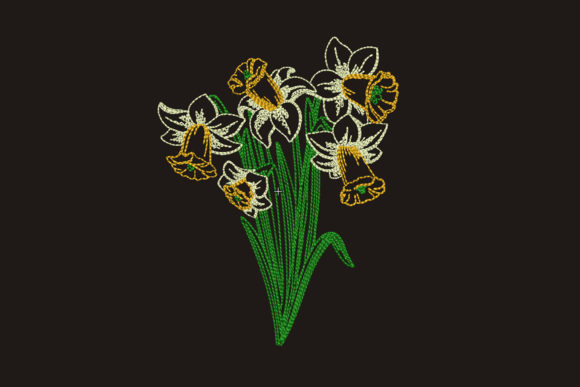
From the moment I viewed the Daffodil embroidery design, I was struck by its elegance and simplicity. The outline flower style gives it a clean, classic look that feels both timeless and versatile. As an experienced embroidery designer, I appreciate how this machine embroidery design balances detail with practicality.
The visual mood of Daffodil is light and refreshing, perfect for spring and seasonal projects. Its delicate lines and soft curves make it ideal for items that need a subtle yet striking accent. Whether you're working on a handmade product or a commercial embroidery project, Daffodil has a decorative appeal that stands out without overwhelming the design.
As an applique design, Daffodil uses satin stitch and fill stitch techniques effectively. The stitch density is well-balanced, making it suitable for a variety of fabrics. It’s clear that this embroidery file was created with attention to how it will perform in real-world applications.
Real-World Embroidery Performance
I tested Daffodil on several materials to see how it would work in different settings. On a tote bag design, it looked crisp and professional. For a sweatshirt embroidery project, the design maintained its shape without distortion. On a baby blanket, the softness of the daffodil added a gentle touch that felt safe and appealing.
For custom apparel, Daffodil works well on both light and dark fabrics. However, I recommend checking thread color contrast carefully, especially when using dark backgrounds. The design also performs well on stretchy fabric, as long as the proper stabilizer is used to prevent puckering or shifting during stitching.
When working with curved cap surfaces, Daffodil held up nicely. The design didn’t require excessive re-hooping, which is a big plus for commercial embroidery projects. It’s also a good choice for embroidered patches, where the outline style adds a refined look.
Practical Use in Handmade and Commercial Projects
Daffodil is a great fit for a wide range of embroidery projects. From kitchen towels to pillow covers, it adds a fresh, natural touch that elevates the overall aesthetic. For small business owners and Etsy sellers, this design can be used to create personalized gifts, seasonal decorations, or boutique merchandise with ease.
On a printable mockup, Daffodil looked sharp and professional. This makes it an excellent asset for digital product sellers looking to showcase their designs. When used in a handmade shop, the design can help build brand consistency, especially if you’re creating a line of spring-themed items.
For craft fair products or gift items, Daffodil’s clean lines and simple form make it easy to incorporate into various styles. It’s also a good choice for nursery decor, where the softness of the design can complement other elements in the room.
Considerations for Different Fabric Types
One of the key factors in using Daffodil is understanding how it will interact with different fabrics. For textured fabric, the design may appear slightly less defined, so it’s important to test on scrap fabric before committing to a full project. Similarly, on dense stitch areas, the design remains clear and legible without becoming too busy.
When working with tiny lettering or layered details, Daffodil’s outline style helps maintain clarity. This makes it a solid choice for aprons, caps, and other items that require precise embroidery. I also found that the design worked well on lightweight fabrics, provided the right stabilizer was used to support the stitches.
For products that will be washed frequently, such as baby items or kitchen towels, Daffodil holds up well. However, it’s always a good idea to inspect small details after stitching to ensure everything looks as intended.
Enhancing Product Value and Customer Engagement
Using Daffodil in your embroidery projects can significantly enhance the value of your handmade product. Its clean, elegant look makes it more appealing to customers who are looking for high-quality, visually pleasing designs. For small business owners, this can translate into increased buyer trust and repeat sales.
In terms of visual appeal, Daffodil adds a fresh, natural element that can make your finished product stand out. Whether you’re creating a custom apparel piece or a seasonal gift, the design contributes to a polished and professional appearance.
When it comes to customer engagement, Daffodil is a great conversation starter. Its floral theme is universally appealing and can be used to create unique, one-of-a-kind items that resonate with a wide audience. This makes it an excellent choice for Etsy listings or craft fair displays.
Essential Embroidery Tips for Daffodil
Before using Daffodil in any project, I recommend testing it on scrap fabric. This allows you to see how the design looks on your chosen material and make any necessary adjustments. Checking thread color contrast is also crucial, especially if you're working with dark fabrics.
Reviewing the stitch density of the embroidery file is another important step. While Daffodil appears to have a balanced density, it’s always wise to confirm this before starting a larger project. Confirming the hoop size is equally important, as some designs may require multiple hooping steps.
Lastly, I advise readers to compare light and dark fabric mockups to see how the design looks in different contexts. Using the proper stabilizer will help ensure that the final product looks clean and professional. Always inspect small details after stitching to catch any issues early on.
Finally, before selling any finished item that uses Daffodil, make sure to review the file details and licensing information on the Creative Fabrica product page. This ensures that you’re fully compliant with any usage terms and can confidently offer your handmade product to customers.